
Lessons Learned the Hard Way
I used to think learning was something that happened neatly, like following instructions or checking boxes in the right order. Turns out, most real lessons don’t arrive that way at all. They show up disguised as frustration, embarrassment, or failure—usually when you’re already tired and convinced you’re doing everything right. The hard way of learning has a way of stripping you of assumptions you didn’t even realize you were carrying. It forces you to confront the gap between how things should work in theory and how they actually work in practice. And while that process is uncomfortable, it’s also brutally effective.
One of the earliest lessons I learned the hard way was that effort alone doesn’t guarantee results. I poured time and energy into things, assuming that hard work would automatically translate into success. When it didn’t, my first instinct was to work even harder, not smarter. That cycle led to burnout, resentment, and a lot of wasted momentum. Eventually, it became clear that direction matters just as much as dedication. Without reflection, feedback, and adjustment, effort can turn into a very efficient way of running in circles.
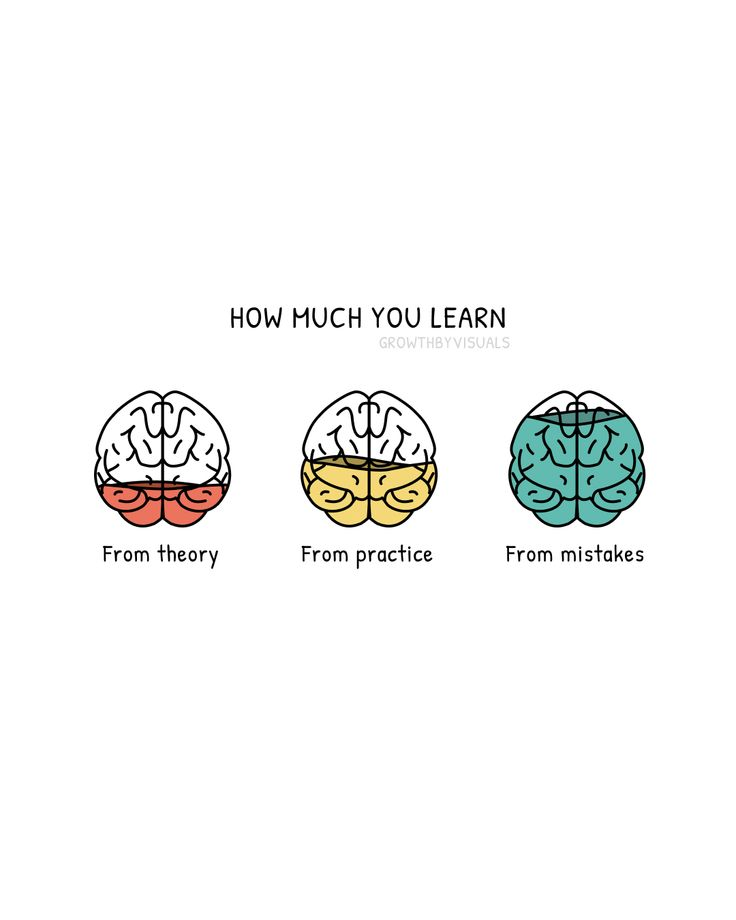
Another painful realization was that ignoring small problems doesn’t make them go away—it makes them grow teeth. The things I avoided because they felt awkward, inconvenient, or “not that serious” had a habit of resurfacing later as full-blown crises. Whether it was a miscommunication, a neglected boundary, or a shortcut taken to save time, the cost always came due with interest. Learning to address issues early, even imperfectly, would have saved me far more discomfort than avoidance ever did.
I also learned—slowly and stubbornly—that not everything is under my control, no matter how well I plan. Letting go of that illusion was both humbling and freeing. I spent a long time trying to manage outcomes instead of focusing on my responses. When things didn’t go as expected, I took it personally, as if failure was a moral flaw instead of a data point. Accepting uncertainty didn’t make things easier, but it made them clearer. It shifted my energy from trying to control everything to learning how to adapt.
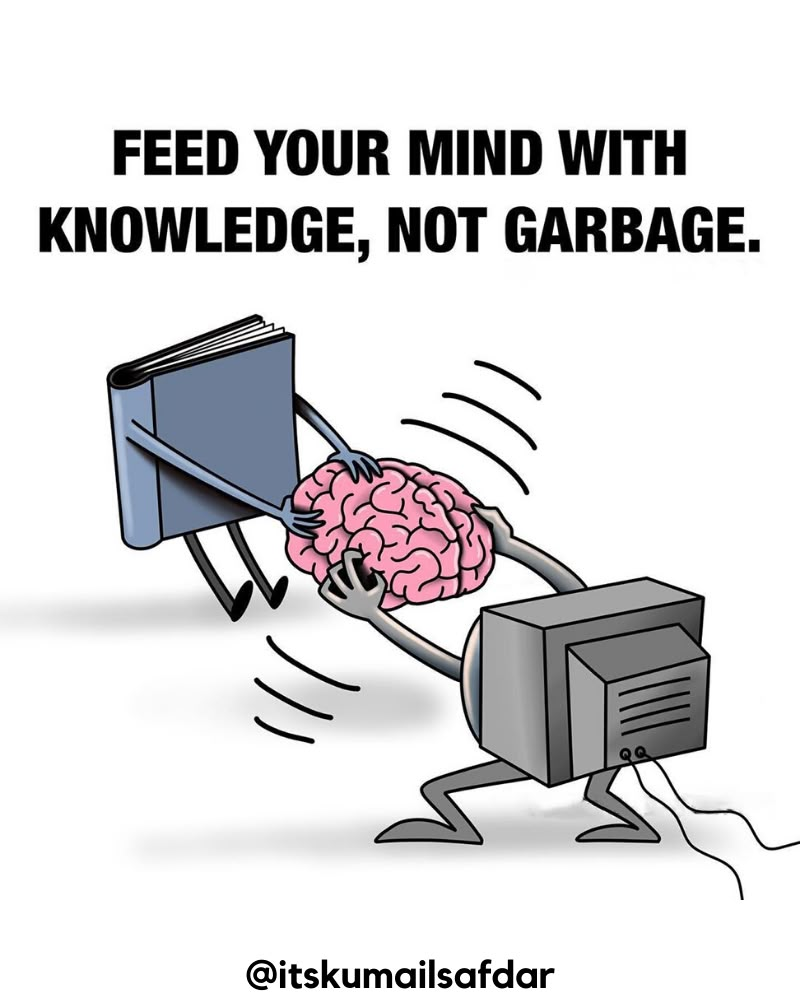
The hardest lesson of all was understanding that growth doesn’t feel like progress when you’re in it. It feels messy, slow, and often lonely. You don’t get applause for learning the hard way—just quiet resilience and a deeper sense of clarity afterward. Looking back, those moments I wanted to skip were the ones that shaped me most. I wouldn’t recommend the hard way, but I can’t deny its results. Some lessons only stick because they hurt just enough to be unforgettable.
Another lesson that took far too long to sink in was that saying yes to everything is just another way of saying no to yourself. I used to confuse availability with value, thinking that being needed meant being important. Over time, that mindset chipped away at my focus and my sense of self. I learned the hard way that boundaries aren’t walls—they’re instructions for how to treat your time, energy, and attention. The moment I started being more selective, the quality of both my work and my relationships improved in ways I didn’t expect.
I also learned that feedback hurts most when there’s truth in it. My first instinct was to defend myself, to explain, to justify why I did what I did. But defensiveness only delayed the lesson. When I finally started listening instead of reacting, I realized feedback wasn’t an attack—it was information. Not all of it was useful, and not all of it was kind, but buried in the discomfort was insight I couldn’t afford to ignore. Growth required swallowing pride and choosing curiosity over ego.

Another hard-earned realization was that consistency beats intensity every single time. I had a habit of going all in, burning bright, and then disappearing when motivation faded. I thought passion was the fuel, but discipline turned out to be the engine. Showing up on ordinary days mattered more than heroic bursts of effort. The slow, repetitive work—the kind no one celebrates—was what actually moved things forward. That lesson didn’t feel exciting, but it was transformative.
I learned, too, that comparison is a quiet thief. Watching others move faster or seemingly succeed with less effort made me question my own path. What I didn’t see were their setbacks, trade-offs, or starting points. Comparing my behind-the-scenes to someone else’s highlight reel drained joy and distorted perspective. It took time to understand that progress isn’t universal or linear. The only comparison that ever helped was measuring where I was against where I used to be.